
Death Cafés, Legacy Projects, and the Art of Talking About the End: Transforming Care Home Culture
The hushed tones, the averted gazes – death, an inevitable part of life, remains a topic many shy away from, especially within care settings. A recent study showed that 70% of adults find it difficult to discuss death, leading to emotional distress and unmet needs at the end of life. This discomfort often leaves individuals feeling isolated and unsupported during a critical phase of their lives. But what if we could change that? What if care homes became havens for open, honest, and even comforting conversations about death and dying? Imagine a care environment where residents feel empowered to share their fears, hopes, and memories without judgment.
This blog post explores how care homes can foster emotionally intelligent conversations about death, offering support and resources for residents and their families through initiatives like Death Cafés, legacy projects, memory archiving, and the innovative concept of "living obituaries." Let's delve into the art of talking about the end, transforming fear into understanding and creating meaningful experiences for those in our care. By embracing these approaches, we can significantly enhance the quality of life for residents and provide invaluable support to their families.
The Taboo Around Death: Why It Matters in Care Homes
The reluctance to discuss death stems from various sources: fear of the unknown, cultural norms, and personal experiences with loss. This silence can be particularly detrimental in care homes, where residents are often facing their own mortality. Avoiding the topic can lead to feelings of isolation, anxiety, and a lack of control over end-of-life decisions. Many residents may feel that their concerns are dismissed or that they are burdening others by expressing their fears. This can create a sense of loneliness and despair, making it crucial for care homes to address this issue proactively.
Openly discussing death can alleviate anxiety, improve the quality of life, and provide closure for residents and their families. It allows individuals to express their wishes, reconcile relationships, and find peace in their final days. By creating a supportive environment, care homes can empower residents to live their final chapter with dignity and grace. When residents feel heard and understood, they are more likely to experience a sense of calm and acceptance. This, in turn, can lead to improved mental and emotional well-being, making their final days more comfortable and meaningful.
Death Cafés: Creating Safe Spaces for Conversation
What is a Death Café?
Death Cafés are informal gatherings where people come together to discuss death. The concept is simple: a relaxed setting, refreshments, and open-ended conversations about death – with no agenda, specific beliefs, or counseling. It's a space to share thoughts, fears, and experiences in a non-judgmental environment. These cafés provide a unique opportunity for individuals to explore their feelings about death in a safe and supportive setting. The absence of a structured agenda allows for organic conversations to emerge, addressing the specific concerns and interests of the participants.
How to Host a Death Café in a Care Home
Hosting a Death Café in a care home can be a transformative experience. Choose a cozy, private space with comfortable seating and soft lighting. The ambiance should be warm and inviting, encouraging open and honest conversation. Consider adding elements like calming music or nature-inspired décor to enhance the atmosphere. Establish guidelines for respectful dialogue, emphasizing active listening and non-judgment. It's important to create a space where everyone feels safe to share their thoughts and feelings without fear of criticism or interruption. Clearly communicate these ground rules at the beginning of each session. Encourage participants to share their thoughts and feelings without interruption or criticism. Facilitators should gently guide the conversation, ensuring that everyone has an opportunity to speak and that no one dominates the discussion. Active listening and empathy are key to fostering a supportive environment. Lastly, provide tea, coffee, and snacks to create a relaxed atmosphere. Simple refreshments can help to create a sense of comfort and normalcy, making it easier for participants to engage in difficult conversations.
Care homes that have successfully implemented Death Cafés, reporting a significant decrease in resident anxiety and an increase in feelings of connection and support. Residents expressed feeling more understood and less alone in their fears about death. This positive outcome highlights the potential of Death Cafés to improve the emotional well-being of care home residents.


Legacy Projects: Leaving a Meaningful Mark
The Power of Legacy
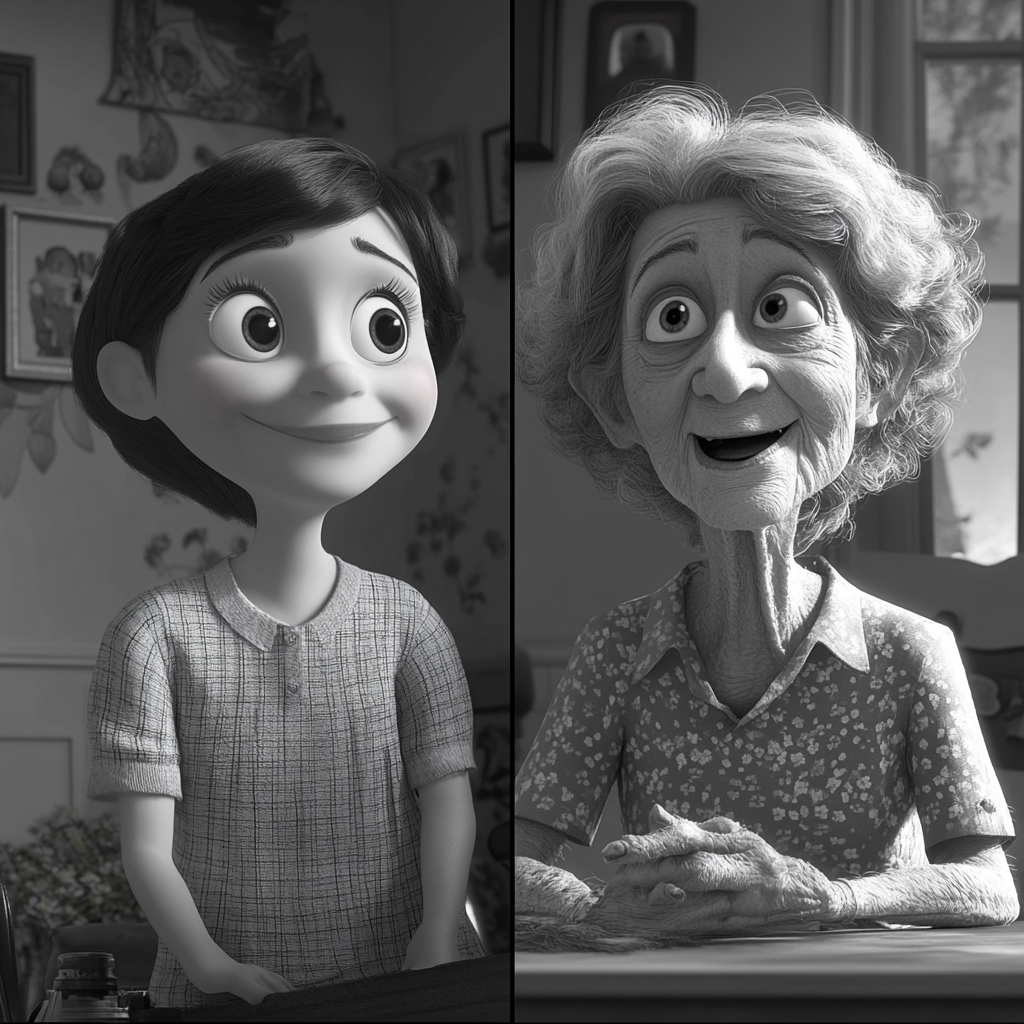
Legacy is about what we leave behind – the impact we have on others, the stories we share, and the values we uphold. For care home residents, creating a legacy can provide a sense of purpose, meaning, and fulfillment at the end of life. It allows them to reflect on their lives, celebrate their accomplishments, and leave a lasting mark on the world. This can be particularly important for individuals who may feel that their lives are winding down, providing them with a renewed sense of purpose and motivation.
There are numerous ways residents can create a lasting legacy:
Legacy Art Projects: Painting, writing, music, and crafts allow residents to express their creativity and share their unique perspectives. These projects can be a powerful way for residents to communicate their thoughts and feelings, even if they have difficulty expressing themselves verbally. Art can also provide a sense of accomplishment and pride, boosting self-esteem and confidence.
Memory Archiving: Creating scrapbooks, recording oral histories, and compiling photo albums preserve precious memories for future generations. These activities allow residents to revisit cherished moments from their past, sharing their stories and experiences with loved ones. Memory archiving can also be a therapeutic process, helping residents to process their emotions and find meaning in their lives.
"Living Obituaries": Residents share their life stories and reflections in a written or video format, celebrating their lives while they are still living. This innovative approach allows residents to take control of their narrative, sharing their accomplishments, values, and life lessons with family and friends. Living obituaries can be a powerful way to celebrate a life well-lived and to leave a lasting legacy for future generations.
Facilitating Legacy Projects
Care home staff can play a crucial role in supporting residents' legacy projects by providing materials, resources, and emotional support. Encourage residents to explore their interests, share their stories, and create something meaningful that reflects their life experiences. Staff can also help residents to connect with family and friends, involving them in the legacy project and creating opportunities for shared memories and experiences.
Memory Archiving: Preserving Stories and Experiences
Why Archive Memories?
Memories are the threads that connect us to our past, shaping our identity and providing a sense of continuity. Archiving memories preserves these precious moments for residents, their families, and future generations. It allows residents to revisit cherished moments, share their stories, and maintain a sense of connection to their past. Memory archiving can also be a valuable tool for helping residents with dementia or cognitive impairment to maintain a sense of identity and orientation.
Recording residents' life stories and experiences captures their unique perspectives and preserves their personal histories. These interviews can be conducted by staff, volunteers, or family members, providing residents with an opportunity to share their memories and reflect on their lives. The recordings can then be transcribed and preserved for future generations.
Capturing important moments and memories through photos and videos creates a visual record of residents' lives. These visual records can be used to create memory albums, slideshows, or videos that can be shared with family and friends. Photo and video documentation can also be a valuable tool for helping residents with dementia to recall memories and maintain a sense of connection to their past.
Compiling personal items and mementos in a memory box provides a tangible connection to the past. These boxes can contain items such as photographs, letters, souvenirs, and other personal belongings that hold special meaning for the resident. Memory boxes can be a powerful tool for stimulating memories and sparking conversations, helping residents to connect with their past and share their stories with others.
When archiving memories, it's essential to obtain consent, protect privacy, and respect residents' wishes. Ensure that residents are fully informed about the purpose of the archiving project and have control over how their memories are shared. It's also important to be sensitive to the emotional needs of residents and to provide support and reassurance throughout the process.
"Living Obituaries": Celebrating Life Before Death
Re-framing the Obituary
A "living obituary" is a celebration of life written while the individual is still living. It's an opportunity to reflect on accomplishments, share memories, and express gratitude for the people and experiences that have shaped their lives. This approach shifts the focus from mourning death to celebrating life, providing residents with a chance to reflect on their accomplishments and share their stories with loved ones.
Gather Information: Collect photos, stories, and memories from the resident and their loved ones. This can involve interviewing the resident, reviewing old photographs and documents, and gathering stories from family and friends. The goal is to create a comprehensive and heartfelt tribute that captures the essence of the resident's life.
Write the Narrative: Craft a compelling narrative that highlights the resident's unique personality, accomplishments, and contributions. The narrative should be written in a warm and engaging style, capturing the resident's voice and personality. It should also highlight the resident's accomplishments, both big and small, and their contributions to their family, community, and the world.
Share It with Loved Ones: Share the living obituary with family and friends, allowing them to celebrate the resident's life and legacy. This can be done through a special gathering, a printed booklet, or an online platform. Sharing the living obituary provides an opportunity for loved ones to celebrate the resident's life, share memories, and express their appreciation.
For example, a living obituary might detail a resident's career achievements, hobbies, family life, and personal values, providing a comprehensive and heartfelt tribute. It could also include anecdotes, quotes, and photographs that capture the resident's unique personality and experiences.
Creating emotionally intelligent conversations about death is essential for providing compassionate and supportive care in care homes. By implementing strategies like Death Cafés, legacy projects, memory archiving, and "living obituaries," care homes can foster a culture of openness, understanding, and meaning at the end of life. These initiatives not only improve the quality of life for residents but also provide invaluable support to their families, helping them to navigate the challenges of end-of-life care with greater peace and understanding. By embracing these approaches, care homes can transform the way we approach death and dying, creating a more compassionate and supportive environment for all.