
Uncovering Joy and Purpose in Assisted Living Activities
Forget the outdated stereotypes. Assisted living today is no longer just about rocking chairs and afternoon TV. It's a vibrant new chapter of life, filled with potential for connection, creativity, and rediscovery. But realizing that potential requires us to move beyond predictable activities and embrace more meaningful, innovative approaches that speak to who residents really are. That’s where programs like DrumFIT Classics come in—not just as entertainment, but as transformational tools that empower residents physically, cognitively, and emotionally.
To truly understand what engagement should look like, we first need to reframe how we view the people we serve. Residents aren’t just “seniors”—they're former teachers, musicians, business owners, caregivers, and creatives. They come with decades of stories, skills, and personality. Every activity offered should honor that lived experience and spark new moments of joy and meaning.
While physical limitations can be part of the aging process, they shouldn’t define or restrict participation. The key is adaptation. Chair yoga can become more than stretching when it’s tailored to mimic familiar movements like gardening or stirring a favorite recipe. A daily walk turns into something memorable when you turn it into a "nature walk" filled with plant identification or a "history stroll" exploring the stories behind the facility’s architecture. These small twists turn routine movement into meaningful engagement.
Cognitive activities also benefit from a fresh approach. Residents aren’t looking for repetitive drills—they crave meaningful interaction and stimulation. One simple but effective idea is starting the morning with a trivia question tied to a significant historical event that happened on that day. It often sparks rich conversation and storytelling. Another favorite is the “storytelling chain,” where one resident starts a tale and each person adds to it. These playful exchanges stimulate memory and foster community.

Emotional and social well-being is just as vital as physical health. Loneliness remains one of the greatest challenges in senior living—but programs that build connection help bridge that gap. One heartwarming idea is an intergenerational pen pal project that connects residents with local students. As letters are exchanged, friendships blossom across generations. Within the facility, "skills swap" workshops give residents the chance to teach each other what they know—be it crocheting, harmonica playing, or painting—reaffirming their sense of identity and purpose.
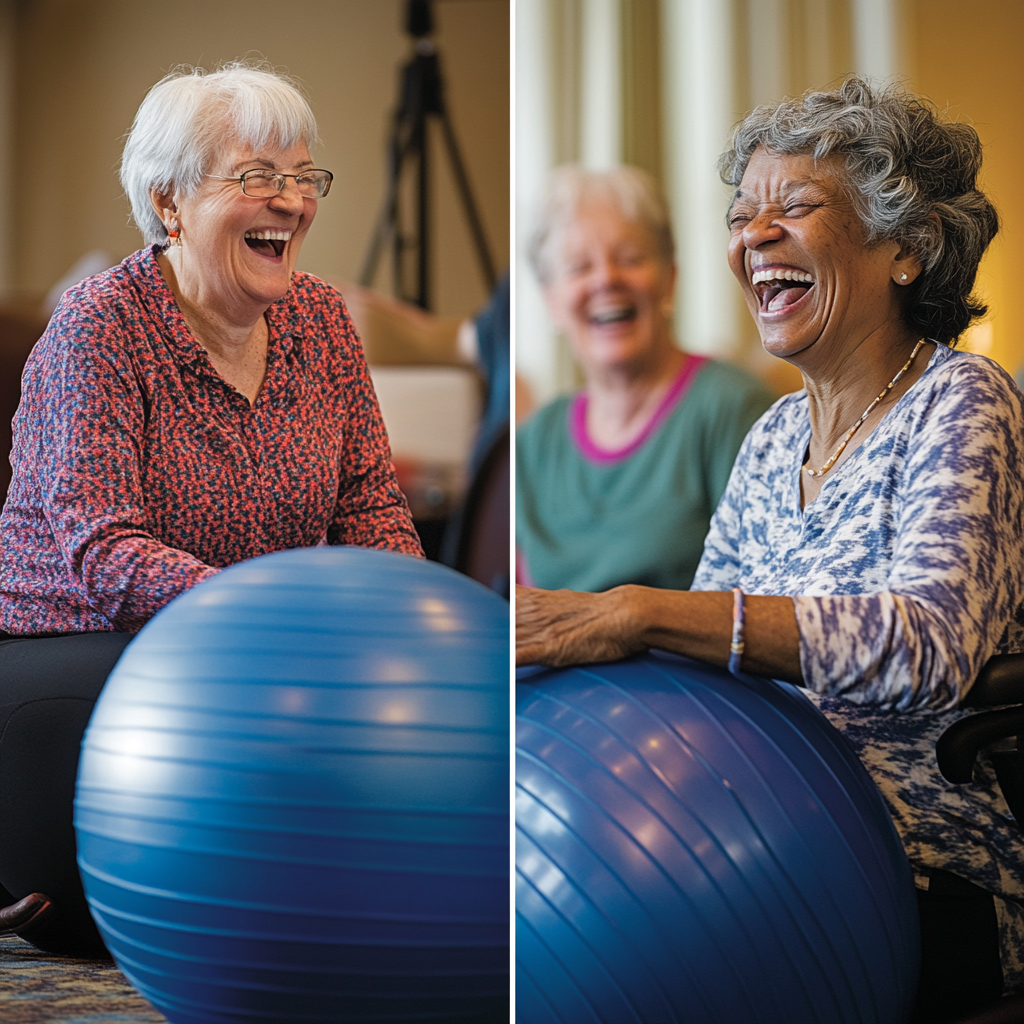
To elevate programming even further, consider introducing fresh, non-traditional activities that promote joy, curiosity, and community. Adaptive sports like seated volleyball or bocce ball infuse friendly competition and physical movement. But one standout offering that’s capturing attention is DrumFIT Classics. It’s more than just a fitness class—it's an immersive sensory experience that blends rhythm, music, movement, and memory. Whether participants are standing or seated, every resident can engage in a way that fits their ability. The rhythmic drumming not only improves cardiovascular health and coordination but also activates parts of the brain responsible for memory and focus. There’s also a deeply emotional aspect—drumming can act as a stress release, while the group format nurtures social connection.

Other engaging programs to consider include “armchair travel” sessions, where residents explore the world through immersive videos or virtual reality. Creative writing groups are another powerful way to encourage expression, whether residents are writing poetry, short stories, or personal memoirs. In the visual arts, upcycled art projects not only spark creativity but promote sustainability, while collaborative mural painting builds a shared sense of accomplishment over time.

The social calendar deserves just as much creativity. Monthly themed dinners encourage residents to dress up, tell stories, and celebrate together. And why not hand the reins over occasionally? Resident-led clubs give individuals ownership and autonomy, whether the focus is on gardening, books, or current events.
So how do you ensure these programs thrive? It starts with a resident-centered mindset. Activities should be chosen based on what residents genuinely enjoy—not just what’s convenient. Staff should be trained not only to facilitate programs, but to do so with energy, empathy, and flexibility. Collaborating with local schools, businesses, and organizations can bring fresh opportunities and help deepen community ties. And perhaps most importantly, feedback loops are essential. Checking in regularly to assess how activities are received helps guide what to continue, what to adapt, and what to introduce next.
Assisted living, when done right, can be a time of renewal. By thinking creatively, listening to residents, and prioritizing meaningful engagement, we can create spaces that don’t just meet needs—but celebrate life. Let’s leave bingo in the dust and build communities where every senior is empowered to thrive.