
What If Retirement Homes Had Nightclubs? (Let's Get This Party Started!)
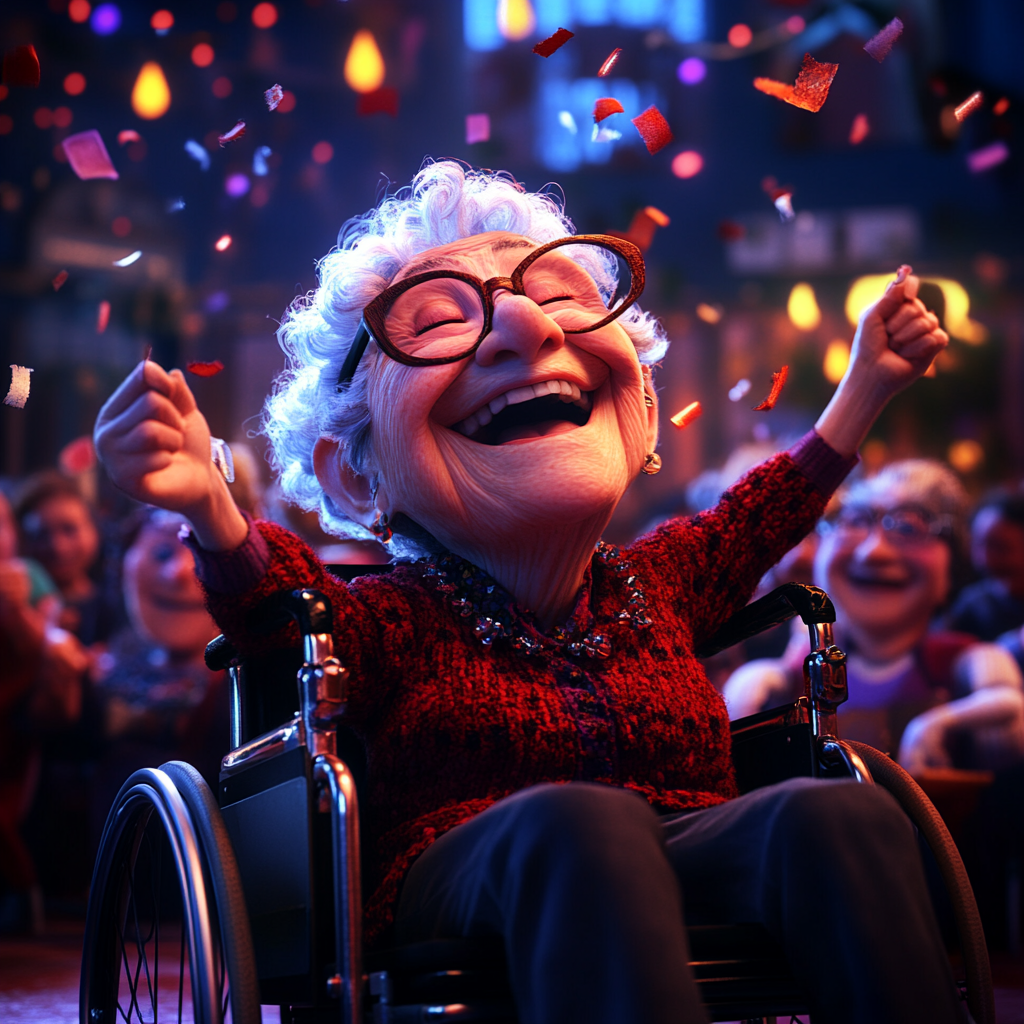
Imagine this: It's 7 PM at Sunny Acres Retirement Home. The faint scent of lavender wafts through the air, a comforting, but perhaps monotonous aroma. A lone television flickers in the common room, perpetually tuned to a rerun of "Murder, She Wrote." The scene is peaceful, perhaps, but is it truly engaging?
Now, picture this instead: The bass is subtly bumping, disco balls are gently spinning, casting playful patterns on the walls, and residents are tearing up the dance floor (or gently swaying in their seats) to the sounds of their youth. What if retirement homes had nightclubs?
It sounds crazy, right? Maybe even a little irreverent. But beneath the surface of this seemingly outlandish idea lies a powerful concept: reimagining evening activities for older adults using elements of sound, lighting, rhythm, and, most importantly, social energy. Forget bingo night – we're talking about a sensory symphony designed to boost mood, spark interaction, and get those cognitive gears turning. We're not just filling time; we're enriching lives.
Could a retirement home nightclub be the key to unlocking a more vibrant and fulfilling life for our aging population? Could it be a way to combat loneliness, stimulate memories, and reignite a passion for life? Let's explore the possibilities and delve into the potential benefits of bringing a little bit of nightlife into the golden years.
Bingo and Bedtime: Are We Missing Something?
Let's face it: the typical evening routine in many retirement homes can be a bit… underwhelming. Quiet, passive activities dominate the schedule, often leading to boredom, loneliness, and a decline in cognitive engagement. How many rounds of bingo can one person play before their soul starts to yearn for something more? How many jigsaw puzzles can be completed before the mind craves a different kind of challenge?

I once heard a story about a resident named Agnes who, during a particularly dull evening of jigsaw puzzles, swapped all the pieces from a landscape scene with those of a portrait. "At least it's a little more exciting now," she reportedly quipped. While Agnes's rebellious act might be an extreme example, it highlights a real need for more stimulating and engaging activities. It speaks to a desire for novelty, for excitement, and for a sense of purpose that can often be lacking in traditional retirement home settings.
The current model often focuses on safety and comfort, which are undoubtedly important. However, it sometimes overlooks the crucial need for mental and emotional stimulation. We need to ask ourselves: are we simply providing a safe and comfortable environment, or are we actively fostering a vibrant and fulfilling life for our residents?
Sensory Symphony: Designing for Engagement
The "nightclub" concept isn't about recreating a sweaty, overcrowded club from our youth. It's not about loud music and flashing lights that could be overwhelming or disorienting. Instead, it's about creating a carefully curated sensory environment that caters to the specific needs and preferences of older adults. Think less strobe lights and more strategic stimulation. Think comfortable seating, accessible spaces, and a focus on creating a positive and uplifting atmosphere.
Here's how we can break it down:
Sound: Music is a powerful tool, capable of evoking memories, stimulating emotions, and creating a sense of connection. By carefully selecting music that evokes positive memories and emotions, we can create a joyful and engaging atmosphere. Classic tunes from the 40s, 50s, and 60s, adjusted to a comfortable volume with high-quality sound systems. Consider incorporating live music performances, sing-alongs, or even karaoke sessions to further enhance the experience. Music psychology tells us that familiar melodies can unlock memories and boost mood, helping residents reconnect with their past and feel a sense of belonging.
Lighting: Dynamic lighting can transform a space, creating different moods and atmospheres. Soft, colorful hues can create a calming and inviting ambiance, while gentle, pulsating lights can add a touch of energy and excitement. The key is to find a balance that is stimulating without being overwhelming. Consider using adjustable lighting systems that can be customized to suit the preferences of the residents. Warm colors like orange and yellow can promote feelings of happiness and well-being, while cooler colors like blue and green can create a sense of calm and relaxation.
Rhythm: Rhythm is inherent in music, but it can also be incorporated through movement and visual patterns. Gentle swaying, tapping feet, or even projected patterns on the walls can all contribute to a sense of rhythm and engagement. Try incorporating dance classes, drumming circles, or even simple chair exercises that incorporate rhythmic movements. The effects of rhythm on the brain are profound, regulating mood and improving motor skills. It can also be a powerful tool for promoting social interaction and creating a sense of community.
Social Energy: Perhaps the most crucial element is creating a social atmosphere that encourages interaction and connection. This could involve comfortable seating arrangements, opportunities for dancing (or gentle movement), and activities that promote conversation and laughter. Incorporating themed nights, social games, or even simple conversation starters to help residents connect with one another. Creating a sense of community and belonging is essential for combating loneliness and promoting overall well-being.
Sensory Therapy: A Foundation for Fun
The principles of sensory therapy can be a powerful foundation for designing a retirement home nightclub. Sensory therapy uses activities and equipment to stimulate the five senses, which can have a calming effect, promote memory recall, and reduce anxiety. By incorporating elements of sensory therapy into the design, we can create an environment that is both stimulating and therapeutic.
Here are a few specific design ideas inspired by sensory therapy:
Textured Walls: Tactile elements like soft fabrics, textured panels, or even interactive touch screens for sensory stimulation can provide a calming and grounding effect, helping residents feel more secure and comfortable.
Aromatherapy: Use calming or energizing scents like lavender, citrus, or peppermint to enhance the atmosphere. Aromatherapy can have a powerful effect on mood and emotions, helping to create a more positive and uplifting environment.
Interactive Projections: Project images onto walls or floors that respond to movement, creating a playful and engaging experience. These interactive projections can stimulate cognitive function and promote physical activity.
Comfortable Seating: Provide a variety of seating options, from plush armchairs to supportive benches, to accommodate different needs and preferences. Comfortable seating is essential for creating a relaxing and inviting atmosphere.
Visual Aids: Incorporate visual aids such as large-print menus, clear signage, and well-lit pathways to help residents navigate the space safely and easily.
Safety First: Addressing Potential Challenges
Of course, the idea of a retirement home nightclub raises some legitimate concerns. Noise levels, safety, and accessibility are all important considerations. It's crucial to address these concerns proactively to ensure that the environment is safe, comfortable, and enjoyable for all residents.
Here are some practical solutions:
Soundproofing: Implement soundproofing measures to minimize noise disturbance to other residents. This could involve using sound-absorbing materials on the walls and ceilings, as well as installing noise-reducing windows and doors.
Accessibility: Ensure the space is fully accessible to residents with mobility issues, including ramps, handrails, and accessible restrooms. This is essential for ensuring that all residents can participate in the activities and enjoy the environment.
Staff Training: Train staff to manage the environment, assist residents, and respond to any potential emergencies. Staff should be trained in first aid, CPR, and de-escalation techniques.
Phased Implementation: Start with smaller, pilot programs to test the concept and gather feedback from residents and staff. This will allow you to identify any potential problems and make adjustments before implementing the program on a larger scale.
Medical Considerations: Consult with medical professionals to ensure that the activities are safe and appropriate for residents with various health conditions. This is especially important for residents with dementia, heart conditions, or other chronic illnesses.
Conclusion
Retirement home nightclubs might sound like a far-fetched idea, but they represent a powerful opportunity to reimagine evening activities for older adults. By incorporating elements of sound, lighting, rhythm, and social energy, we can create stimulating and engaging environments that improve mood, spark interaction, and boost cognitive function. It's about creating a space where residents can feel alive, connected, and engaged in the world around them. It's about providing opportunities for joy, laughter, and meaningful social interaction.
So, are you ready to turn up the volume and get this party started? What innovative ideas can you bring to your retirement home to create more vibrant and fulfilling lives for your residents? Who knows, maybe retirement homes will become the new hot spot! Let's challenge the stereotypes of aging and create environments that celebrate life at every stage.